25 Clever Bedroom Ideas for Small Rooms That Maximize Every Inch
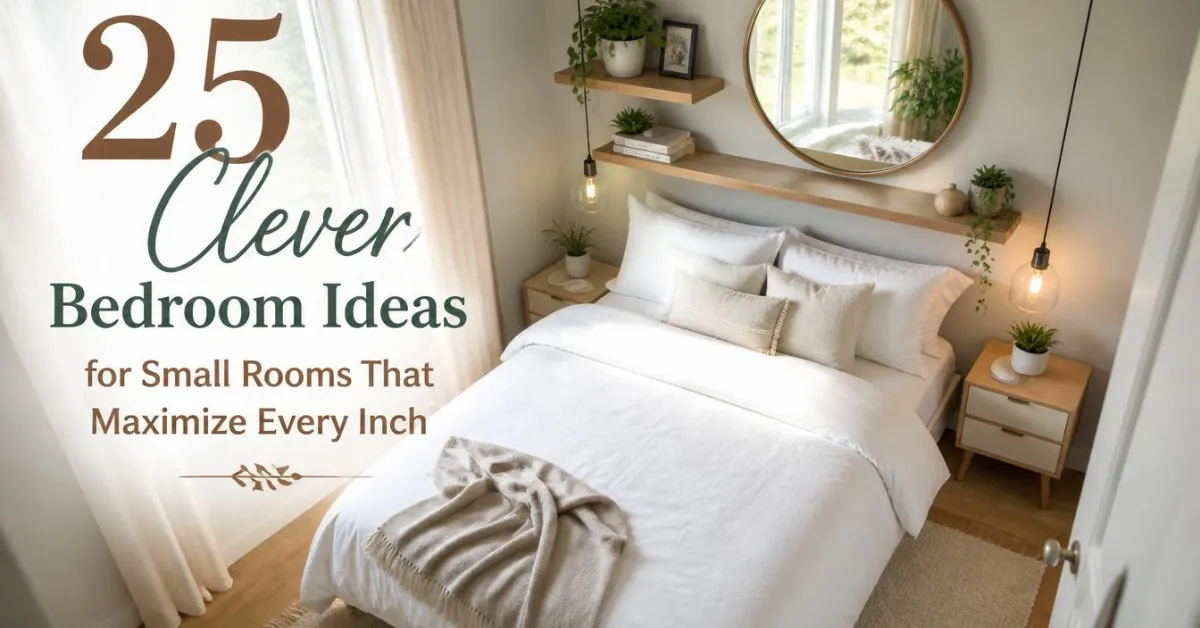
There is something magical about a small bedroom, as it becomes your personal sanctuary, a place where every square foot matters. If you have ever felt stuck staring at four walls, wondering how to fit your dreams into a tight space, you are not alone. Small bedrooms come with big challenges, but they also hold big possibilities.
The truth is, you do not need a large room to create a beautiful retreat. With the right choices, even the tiniest bedroom can feel calm, stylish, and perfectly organized. This guide shares 25 clever bedroom ideas for small rooms that maximize every inch. You will discover smart storage tricks, color secrets, furniture hacks, and design choices that transform cramped spaces into rooms you actually love waking up in.
Ready to make your small bedroom feel like a luxurious hideaway?
1. Choose a Light Color Palette
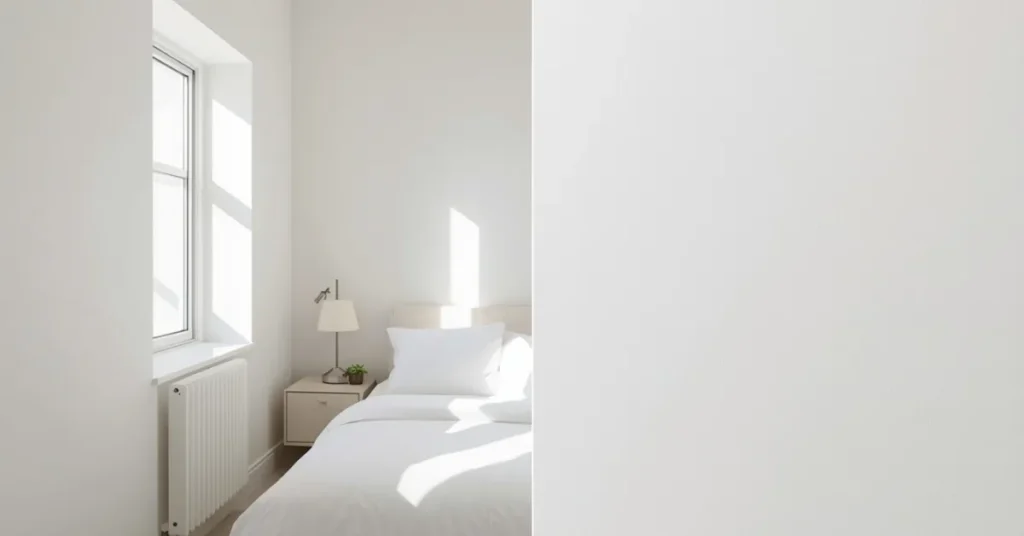
Light colors are a small bedroom’s best friend. Soft whites, pale grays, and cream tones bounce light around the room and instantly make walls feel farther apart. When your walls breathe, your bedroom feels bigger than it actually is.
Design tip: Paint your walls in a soft, matte finish to avoid too much shine.
Material suggestion: Use premium wall paint with low VOC (low odor) so your small room stays fresh and healthy.
2. Install Floating Shelves Instead of Bulky Dressers
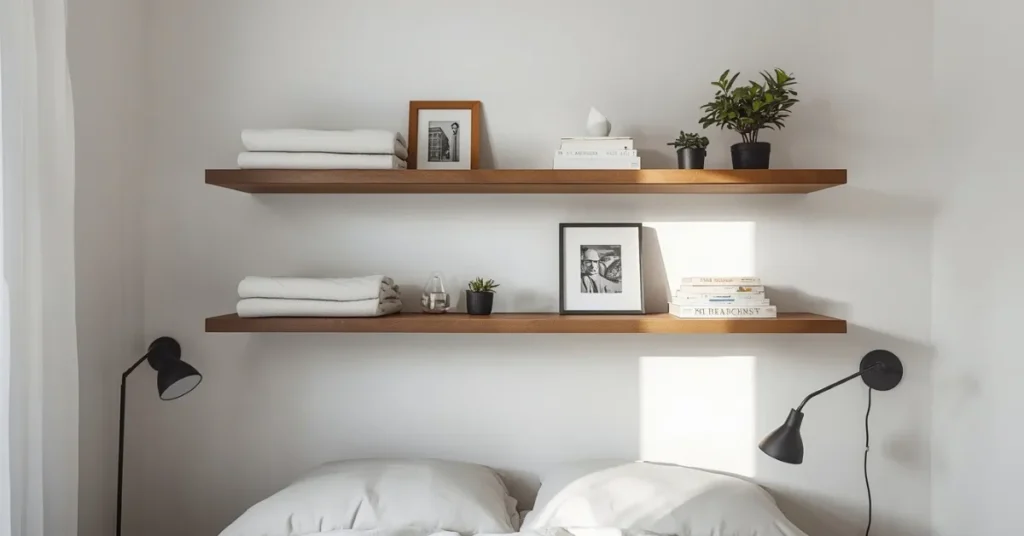
Floating shelves take up zero floor space while holding your books, plants, and personal treasures. Your eyes can see through and under them, which makes the room feel open and airy.
Design tip: Mount shelves at eye level on one accent wall.
Material suggestion: Wood shelves in natural finishes work beautifully in any style.
3. Use Vertical Space for Storage
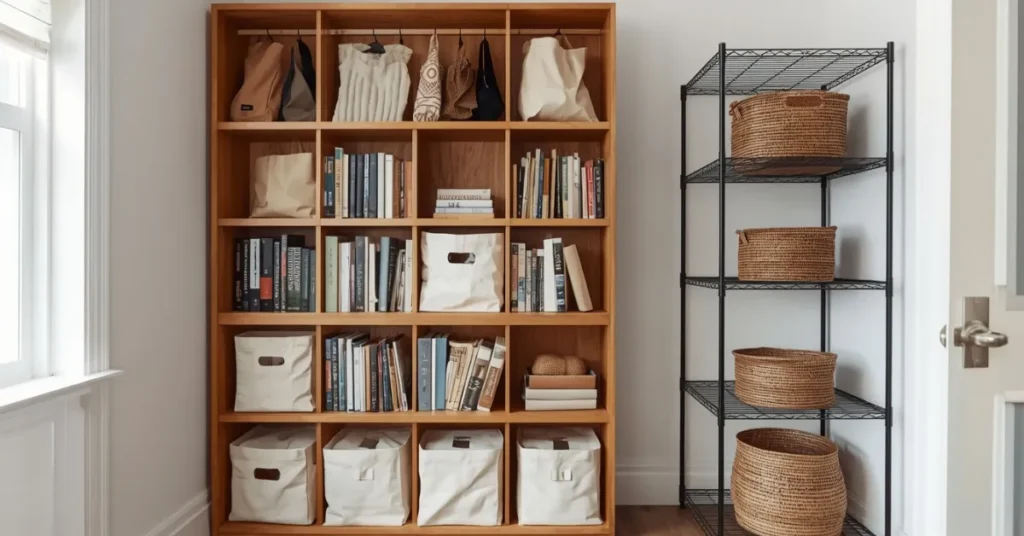
The walls around your bed are valuable real estate. Add shelves above your headboard, install hooks for bags and hats, or use tall, narrow bookcases. This lifts your storage upward instead of spreading it across the floor.
Design tip: Keep vertical storage organized with matching boxes and baskets so it looks intentional, not cluttered.
Material suggestion: Canvas storage bins keep items hidden while maintaining a clean look.
4. Pick a Statement Headboard That Doubles as Art
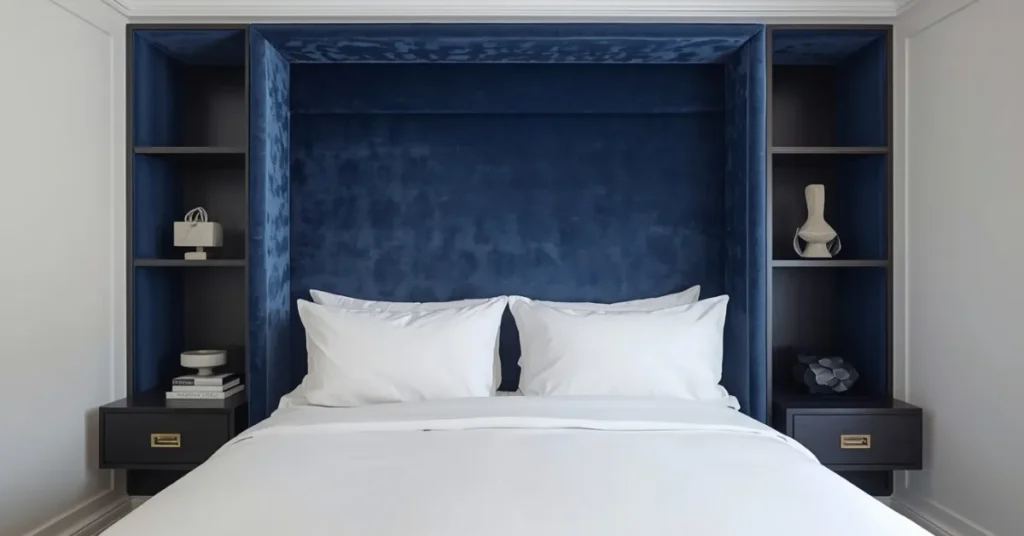
A bold headboard—whether upholstered, wooden, or fabric-covered—becomes the main focal point of your room. This single piece draws the eye and defines your style without needing extra wall art or furniture.
Design tip: Choose a headboard with built-in shelving for hidden storage and display space.
Material suggestion: Upholstered headboards in performance fabric resist stains and pet damage.
5. Go Minimal with Furniture
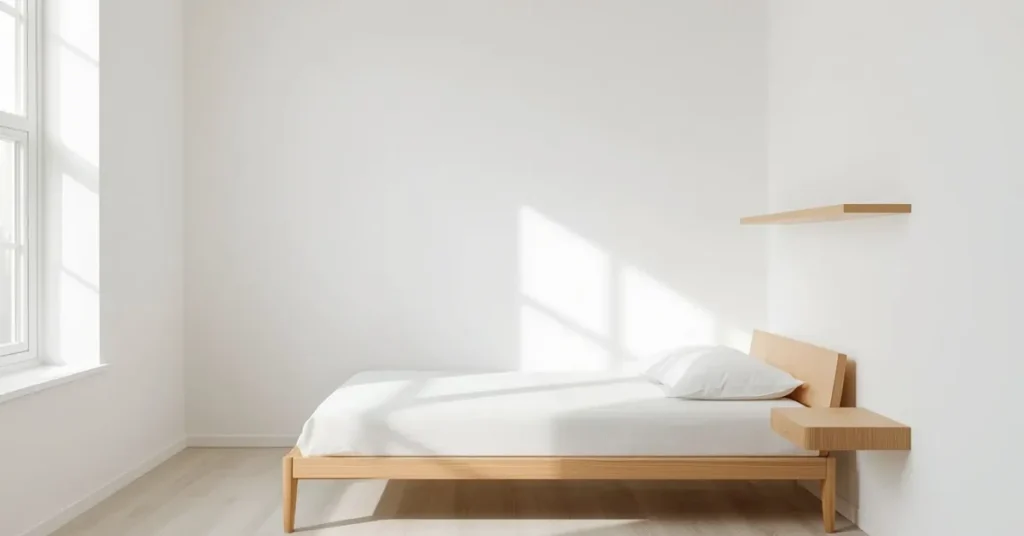
Less furniture means more breathing room. Instead of a dresser, nightstand, and bookcase, choose multi-functional pieces. Your bedroom should have only what you truly need and love.
Design tip: Leave at least one full wall completely empty to create visual rest.
Material suggestion: Sleek furniture with thin legs creates a lighter, less heavy feel.
6. Mount Your TV on the Wall
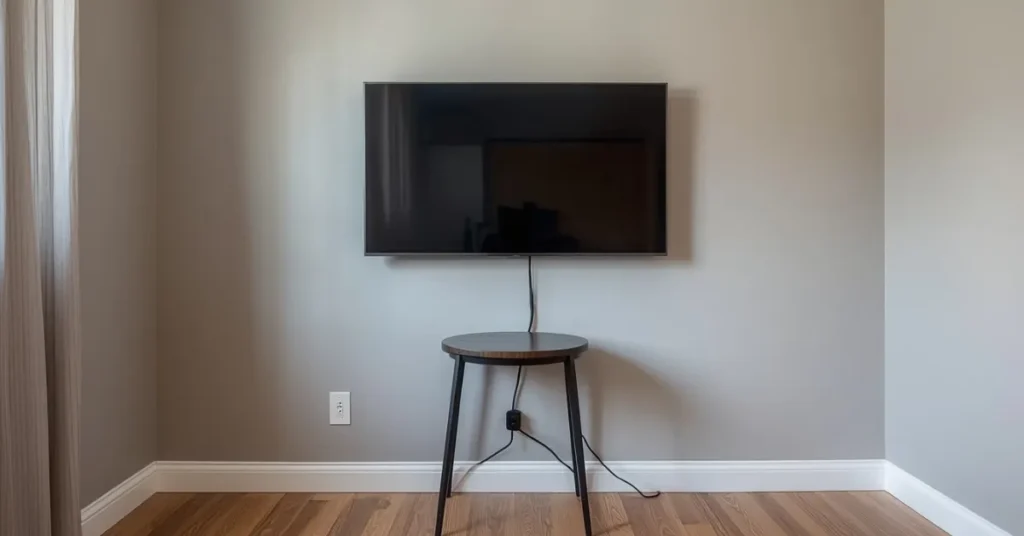
A wall-mounted TV saves the entire footprint of a TV stand, leaving your floor completely open. This single change makes a shocking difference in how spacious a small room feels.
Design tip: Hide cables behind the wall for a clean, built-in look.
Material suggestion: Use a tilting or swivel mount so you can adjust the viewing angle from bed.
7. Add a Large Mirror to Bounce Light and Space
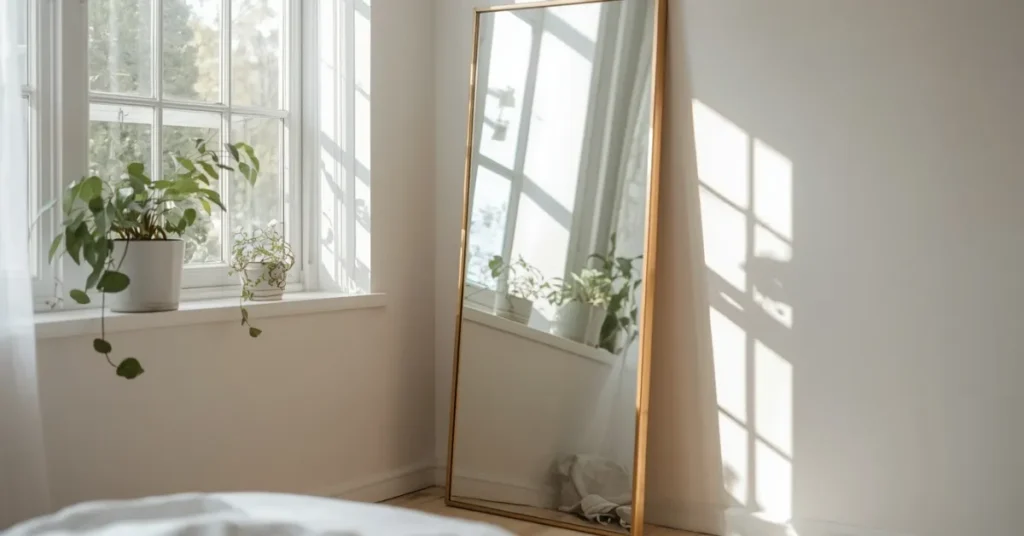
A oversized mirror placed opposite your window reflects natural light and tricks the eye into seeing double the space. Mirrors are magic in small bedrooms—they make light dance and rooms expand.
Design tip: Lean a floor-to-ceiling mirror against one wall for impact without installation.
Material suggestion: Choose a mirror with a thin frame in gold, black, or wood to match your style.
8. Use Under-Bed Storage Containers
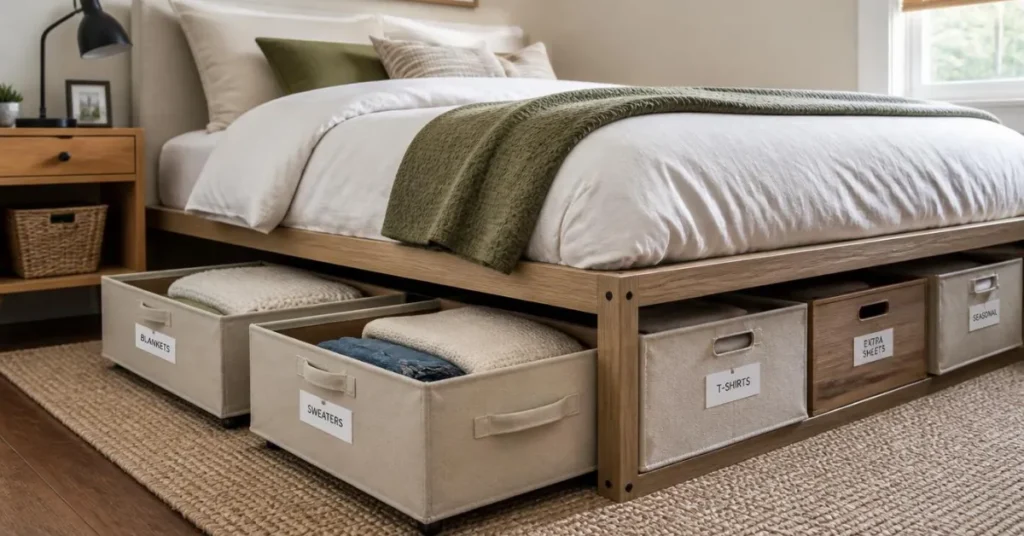
The space under your bed is hidden treasure. Pull-out drawers or flat storage boxes hold off-season clothes, extra blankets, and items you use only sometimes.
Design tip: Label each container so you actually remember what is inside.
Material suggestion: Wooden or canvas under-bed storage looks neat and blends with your floor.
9. Choose a Low-Profile Bed Frame
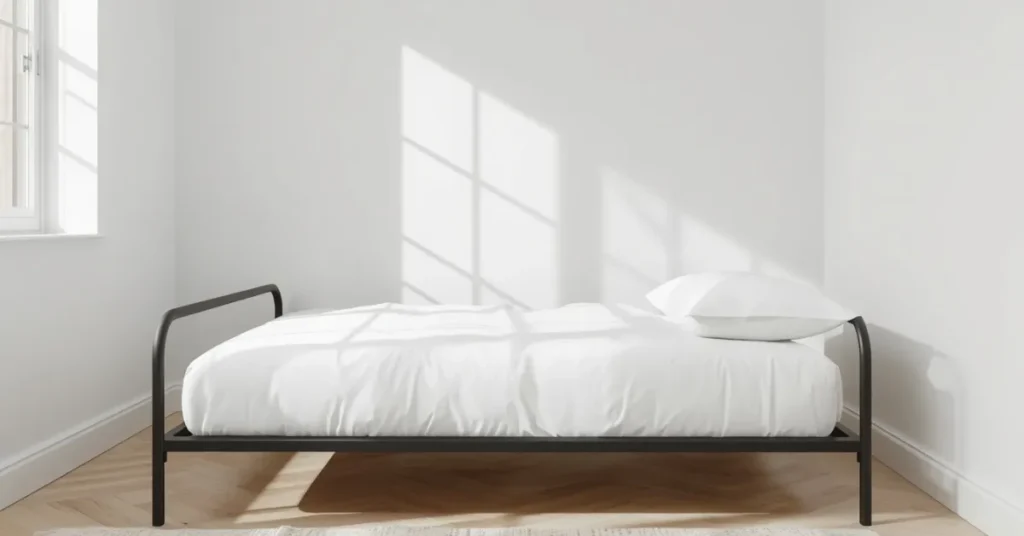
Beds with high footboards and thick frames eat up visual space. A simple, low-profile frame makes your room feel taller and more open. Less bed mass means more breathing room.
Design tip: Choose a bed frame that matches your wall color for a subtle, unified look.
Material suggestion: Metal frames feel lighter and more modern than heavy wood.
10. Install Sliding Barn Doors Instead of Swing Doors
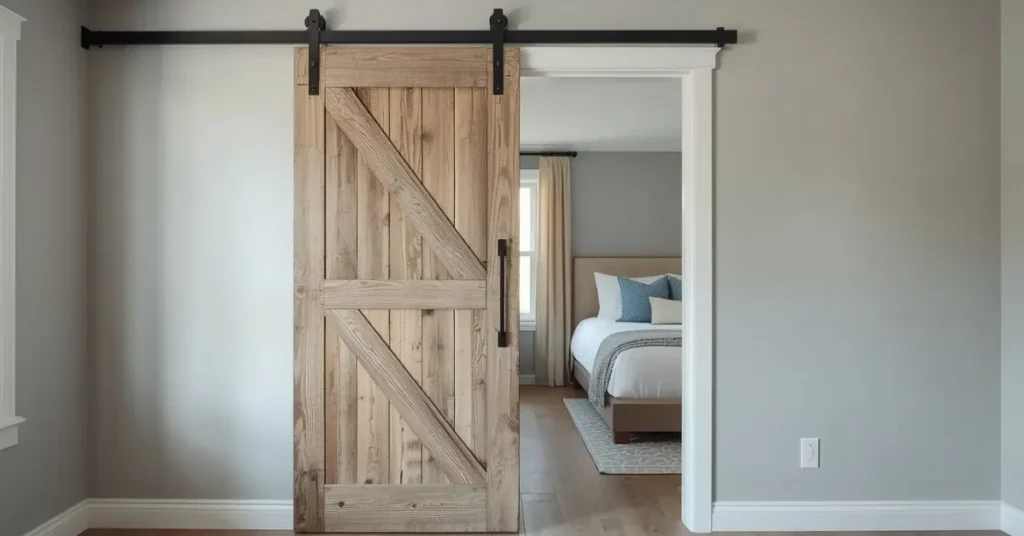
A traditional door swinging into your bedroom eats up wall space and blocks furniture placement. Sliding barn doors glide along the wall and create a charming, space-saving solution.
Design tip: Paint your sliding door to match your headboard for a coordinated look.
Material suggestion: Reclaimed or distressed wood creates rustic warmth in minimal space.
11. Layer Lighting Instead of One Overhead Light
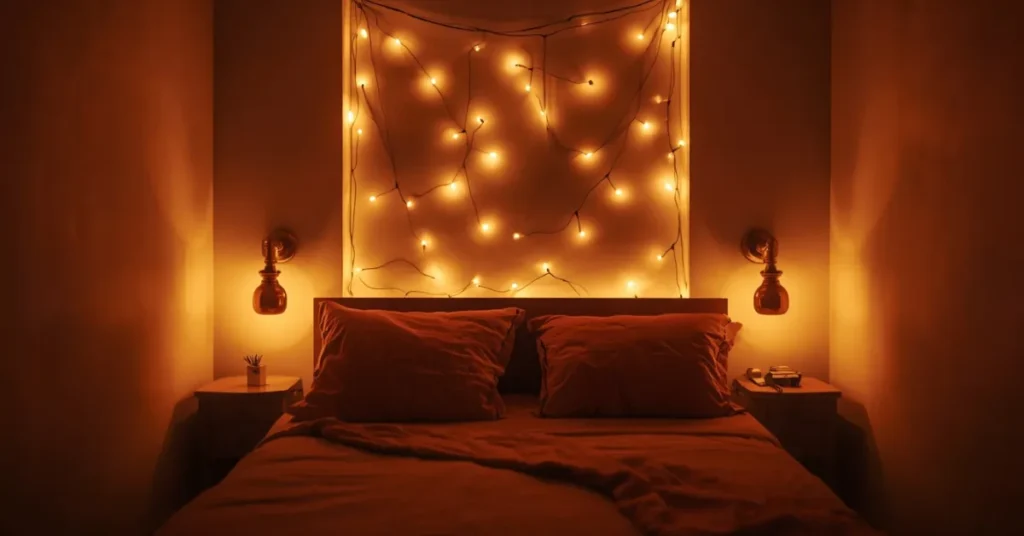
Multiple soft light sources—bedside lamps, wall sconces, and string lights—make a small room feel cozy and sophisticated. One bright overhead light can feel harsh and cramped.
Design tip: Use warm LED bulbs in 2700K color temperature for a relaxing, spa-like feeling.
Material suggestion: Wall sconces save nightstand space while creating ambient light.
12. Create a Cozy Reading Nook in the Corner
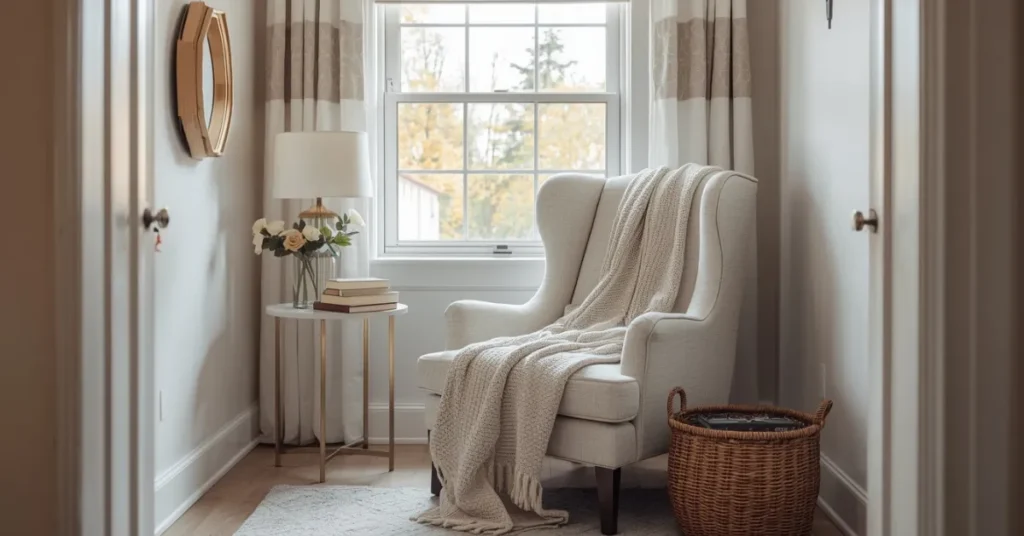
Even a tiny corner can become your favorite spot. Add a comfortable chair, a small side table, and a reading light. A nook gives your bedroom multiple purposes without spreading clutter.
Design tip: Use a chair in a solid, calm color so it does not overwhelm the corner.
Material suggestion: A wingback chair creates structure while a papasan chair takes up less visual weight.
13. Keep Your Color Palette to Three Shades
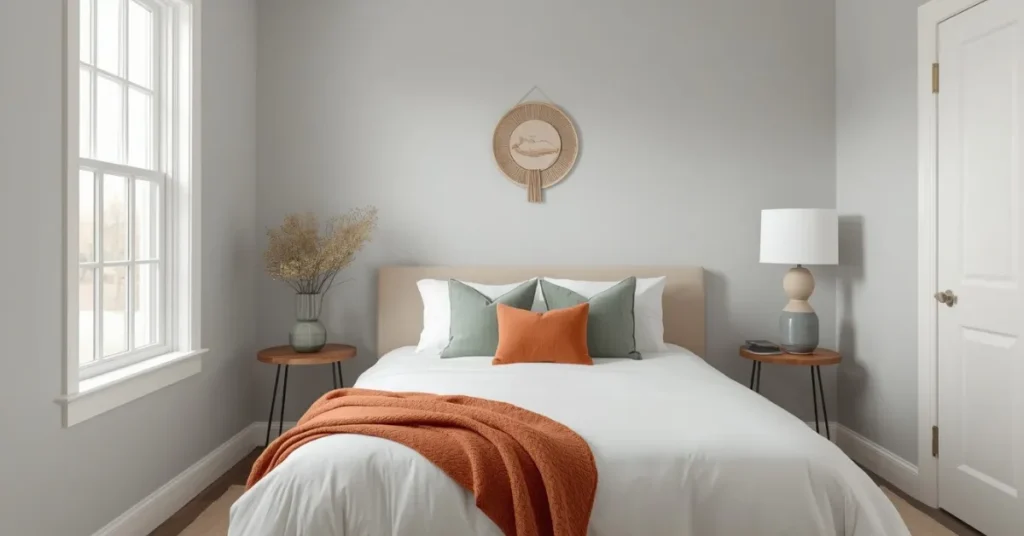
Stick to one main color (usually light and neutral) plus two accent colors. This simple rule prevents your small room from feeling busy or chaotic.
Design tip: Choose one warm and one cool accent color for visual interest without chaos.
Material suggestion: Use paint, textiles, and natural materials to carry your three colors throughout.
14. Add Window Treatments That Maximize Light
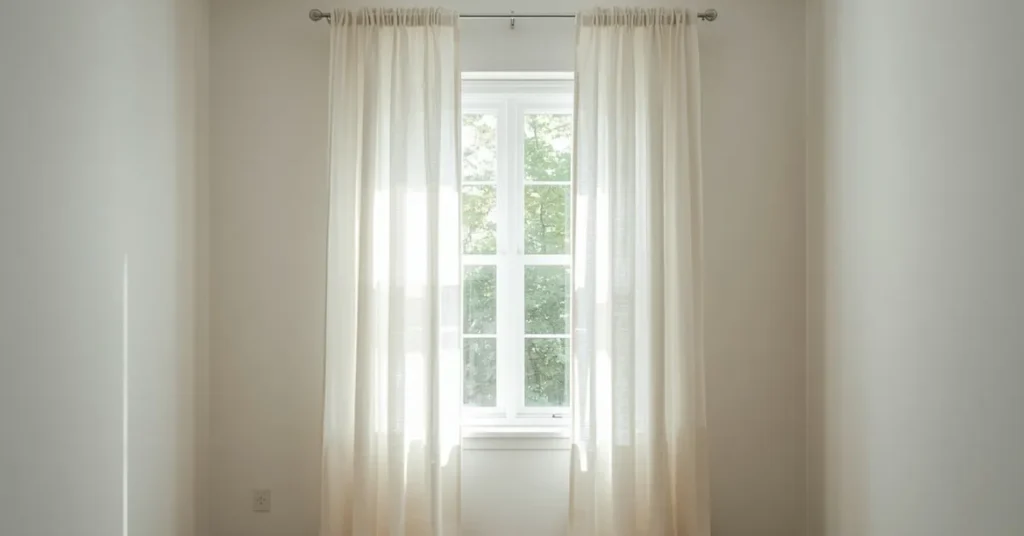
Heavy drapes block light and make walls feel closer. Light curtains, roller shades, or sheer panels let sun pour in while still giving you privacy.
Design tip: Hang curtains from ceiling to floor (even if your window is smaller) to make the room feel taller.
Material suggestion: Linen or cotton blends are breathable and create soft, relaxed light filtering.
15. Use Wall-Mounted Desk for a Workspace
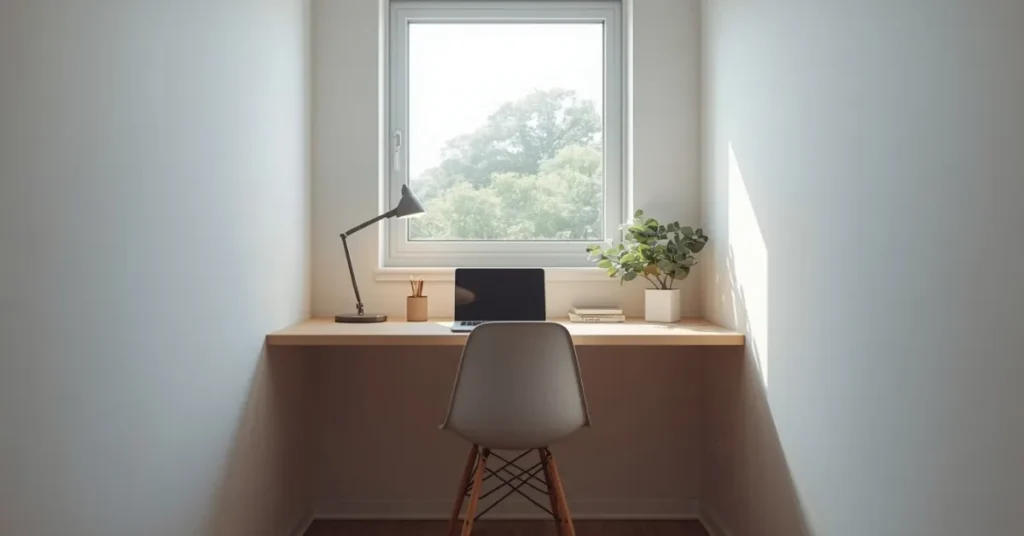
A fold-down or floating desk gives you a workspace without stealing precious square footage. When you close it up, your room transforms back to a bedroom instantly.
Design tip: Position your desk near the window so you have natural light while working.
Material suggestion: Laminate or wood desks are easy to clean and resist scratches.
16. Choose One Accent Wall in a Deeper Shade
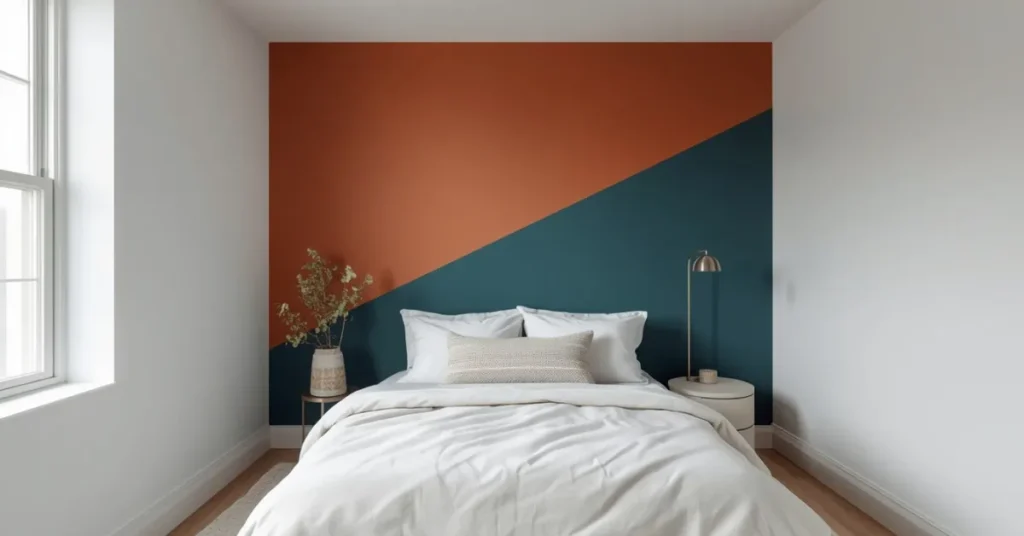
A single accent wall in navy, sage green, or terracotta adds personality without making the room feel smaller. Just one bold wall—not all four—maintains an open feeling.
Design tip: Make your accent wall the wall you see first when you enter the room.
Material suggestion: Matte or chalky paint finishes hide imperfections on small walls.
17. Install Pendant Lights Over Your Nightstands
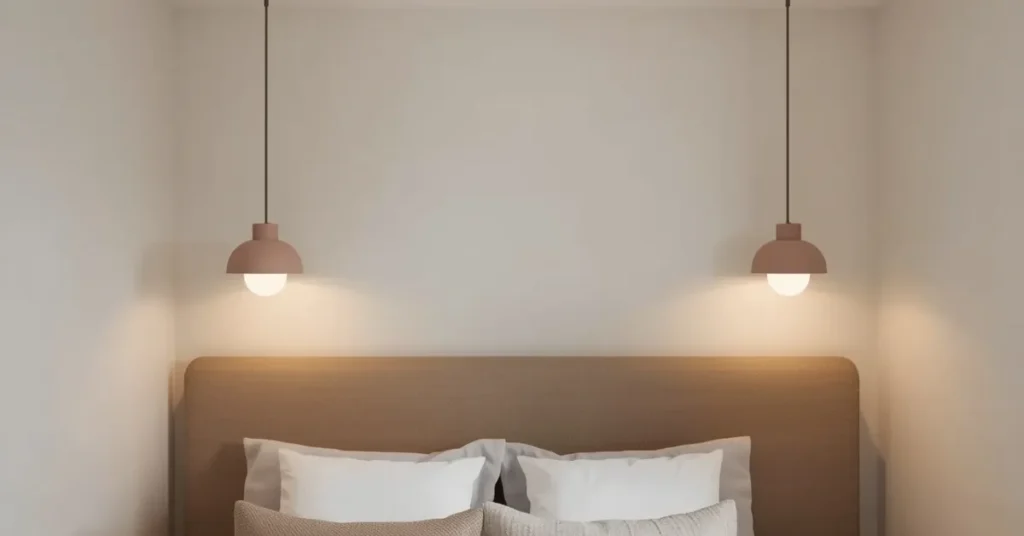
Hanging pendant lights save nightstand surface space and create a designer look. They draw the eye upward, which makes ceilings feel higher.
Design tip: Choose matching pendant lights for symmetry and calm.
Material suggestion: Metal or ceramic pendants in neutral tones suit any bedroom style.
18. Use Baskets for Hidden Organization
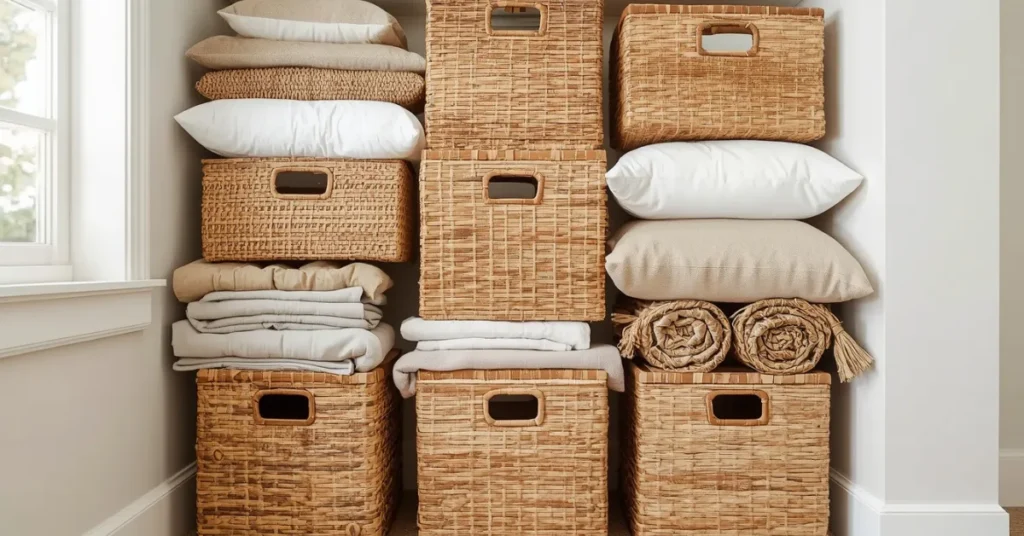
Woven baskets store blankets, pillows, and seasonal items while looking intentional and beautiful. They hide clutter while adding warmth and texture.
Design tip: Stack baskets vertically to draw eyes upward and use corner space.
Material suggestion: Rattan and seagrass baskets add natural texture and warmth.
19. Keep Bedding Simple and Streamlined
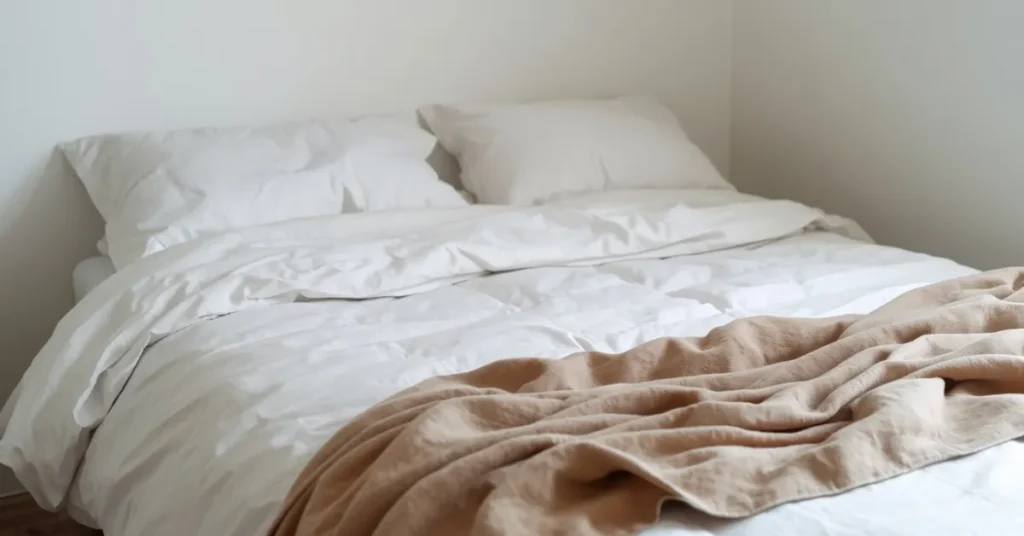
Avoid layering too many pillows or throws on your bed. A simple duvet, two pillows, and one throw blanket look elegant and leave your bed looking calm, not cluttered.
Design tip: Choose bedding in colors that match your walls so the bed does not become a visual block.
Material suggestion: Linen bedding breathes well and creates a relaxed, natural look.
20. Add Greenery with Tall, Narrow Plants
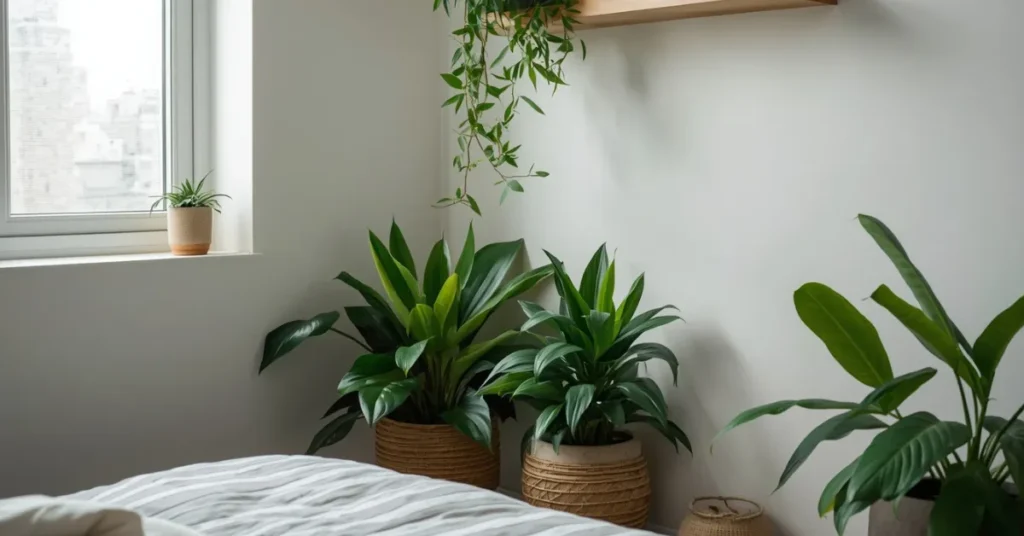
Tall plants in corners or beside your window add life without stealing floor space. Plants improve air quality and bring a sense of calm and growth into tight spaces.
Design tip: Choose trailing plants that hang from shelves to use vertical space creatively.
Material suggestion: Low-light plants like pothos and snake plants thrive in bedrooms.
21. Use Mirrors on Closet Doors
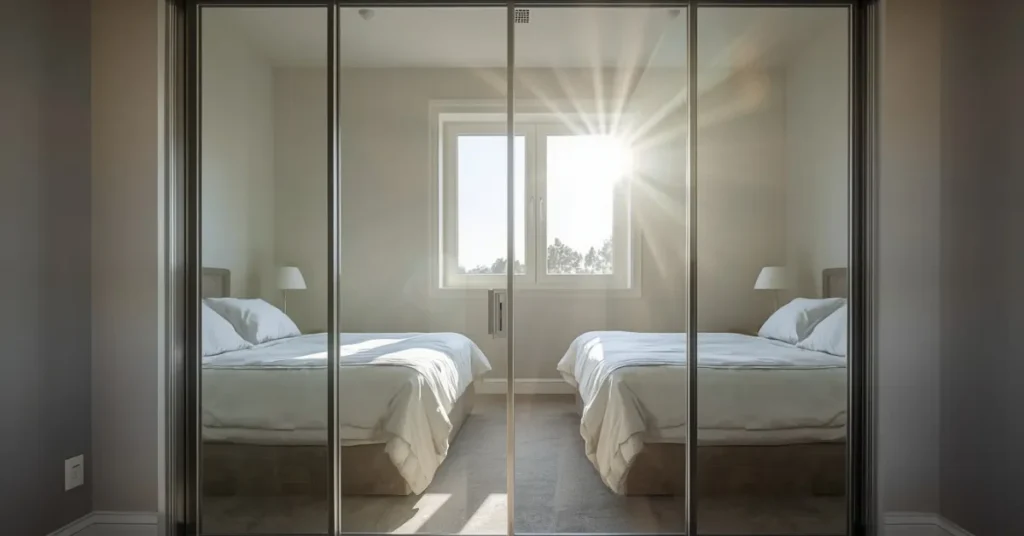
Mirror-fronted closet doors reflect light and create the illusion of extra space. Every time you open your closet, light bounces deeper into the room.
Design tip: Position mirror doors opposite your window to reflect natural light.
Material suggestion: Adhesive mirror sheets transform boring closet doors affordably.
22. Create Smart Storage with a Storage Bench
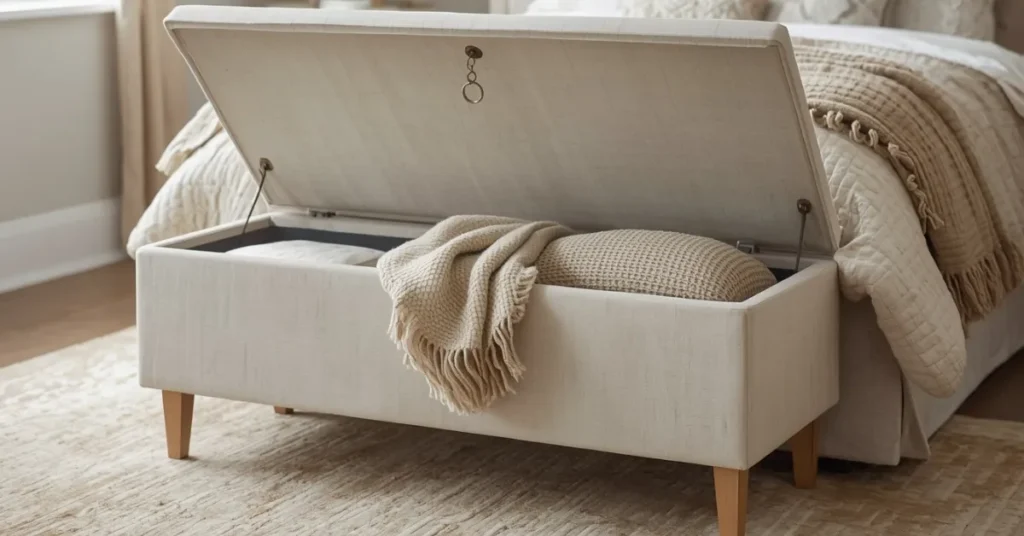
A bench at the foot of your bed holds blankets and off-season items inside while doubling as seating. It is practical, pretty, and takes up less wall space than a dresser.
Design tip: Choose a bench in a light wood or upholstered fabric to keep it feeling open.
Material suggestion: Benches with legs (not solid bases) feel lighter and less heavy.
23. Paint Your Ceiling a Soft White or Pale Gray
Most people ignore their ceilings, but painting yours a light shade makes the room feel taller. A dark ceiling closes in a small space; a light one opens it up.
Design tip: Use slightly lighter ceiling paint than your walls for subtle height enhancement.
Material suggestion: Ceiling paint with matte finish hides imperfections better than glossy finishes.
24. Keep Nightstands Minimal or Go Wall-Mounted
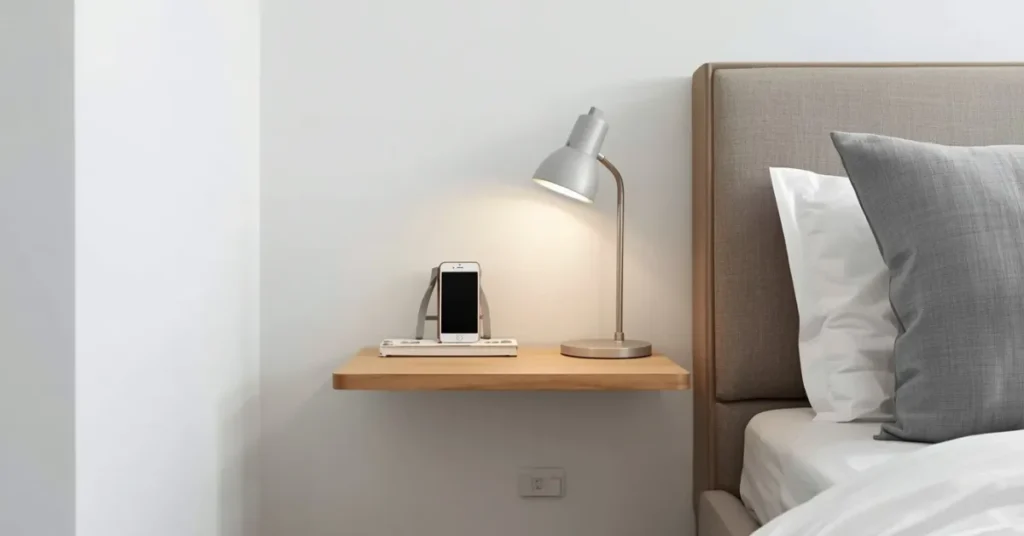
A tiny wall-mounted shelf does the job of a nightstand without taking floor space. Keep only a lamp and your current book or phone charger on it.
Design tip: Use adhesive shelves or floating shelves for a clean, hardware-free look.
Material suggestion: Wood or metal wall-mounted shelves blend seamlessly with any style.
25. Choose Soft Textures to Make the Room Feel Inviting
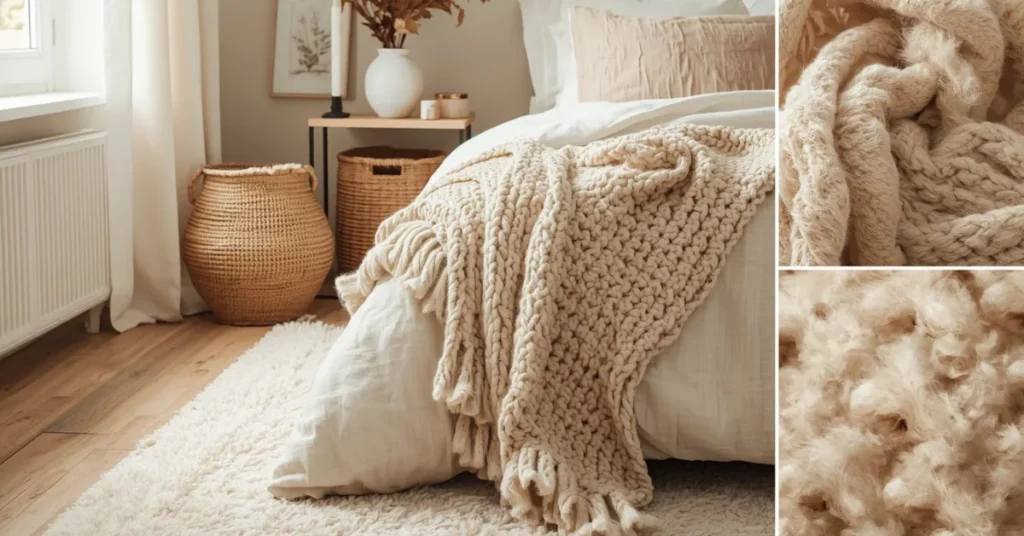
Layer soft textures—a plush rug, linen curtains, a cotton throw blanket—to make your small space feel warm and touchable. Textures add visual interest without adding bulk.
Design tip: Mix one smooth texture (like linen) with one fuzzy one (like faux fur) for balance.
Material suggestion: Natural fibers like cotton, wool, and jute age beautifully and feel authentic.
PRO TIP FROM Sarah Mitchell:
Most people fill small bedrooms with storage solutions, but the real magic happens when you edit instead of organize. Before buying one more basket or shelf, remove half of what you own. A half-empty drawer and one clear shelf make a room feel twice as spacious as a perfectly organized, completely full one. Less really is more.
FAQs
1. What are the best 25 clever bedroom ideas for small rooms that maximize space?
The best ideas focus on vertical storage (floating shelves, tall dressers), light colors (whites and creams), mirrors to reflect light, and multi-functional furniture (storage benches, floating desks). These solutions work together to make small bedrooms feel bigger without major renovations. Choose 3–5 ideas that match your style and budget.
2. How do I make my small bedroom feel bigger without redecorating?
Start with mirrors and light bulbs. Hang a large mirror opposite your window and swap your overhead light for warm LED bulbs with dimmers. Remove half your furniture and add floating shelves instead. These three changes cost little money but make a huge difference in how spacious your room feels.
3. What is the best color for a small bedroom?
Light colors like soft white, pale gray, and cream make small bedrooms feel open and airy. If you love bold colors, use them as accents on just one wall or in smaller pieces like pillows and throws. Your main walls should stay light to keep the room feeling expansive.
4. How much does it cost to redesign a small bedroom?
Budget-friendly changes—like painting, adding floating shelves, and rearranging furniture—cost under $500. Mid-range updates with new bedding, lighting, and a few furniture pieces run $500–$2,000. Full redesigns with new flooring or wall treatments cost $2,000+. Start small and add pieces over time.
5. What is trending in small bedroom design in 2026?
The biggest trends are maximalist minimalism (fewer pieces but higher quality), sustainable materials like reclaimed wood and natural fibers, multi-functional furniture that saves space, and warm, earthy color palettes (sage green, terracotta, warm grays). People want bedrooms that feel both luxurious and functional, not cramped or cluttered.
CONCLUSION
Small bedrooms are not limitations, they are invitations to be intentional. With the right 25 clever bedroom ideas for small rooms, every square inch becomes precious and purposeful. Your bedroom should be a retreat that feels calm, beautiful, and perfectly yours.
Pick one idea from this list and start today. Maybe it is a mirror, fresh paint, or finally organizing under the bed. Small changes create surprisingly big results.
You might also love our guide on small living room ideas that make tiny spaces feel bigger.
Which of these bedroom ideas for small rooms is your favorite? Tell us in the comments below!